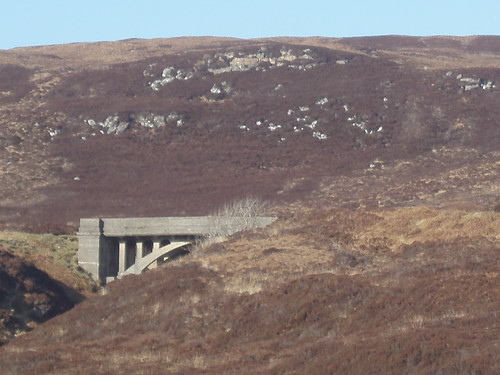
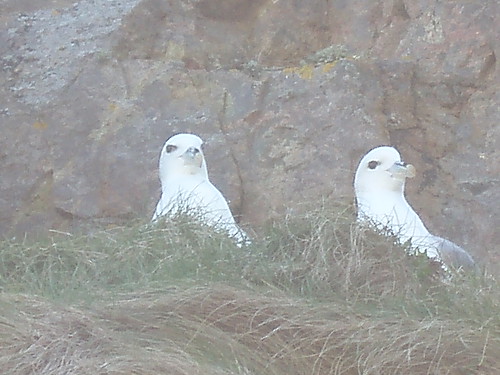
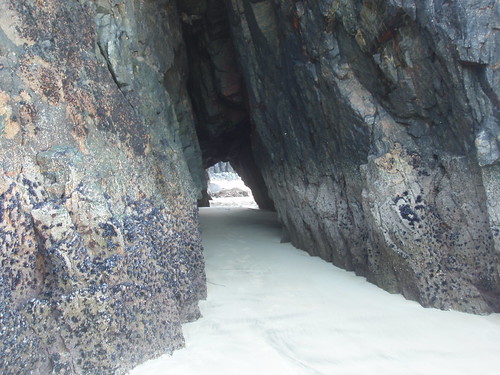
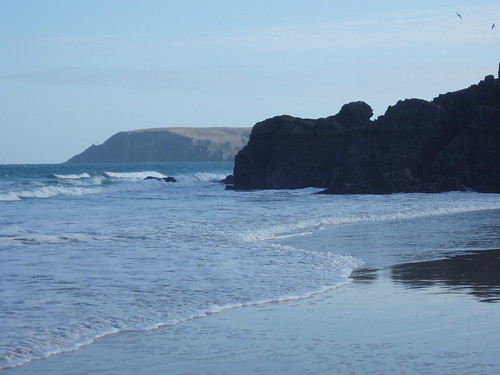
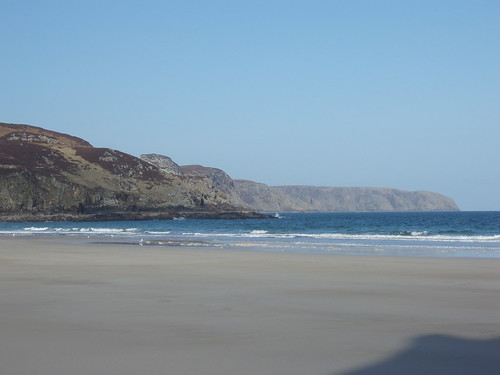
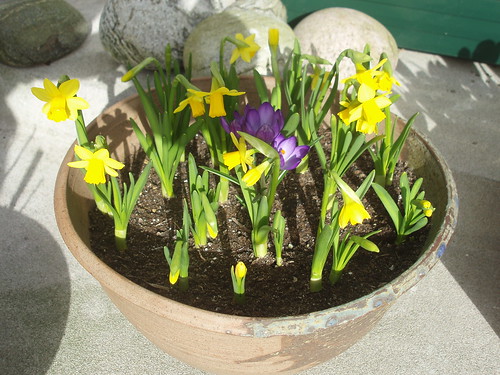
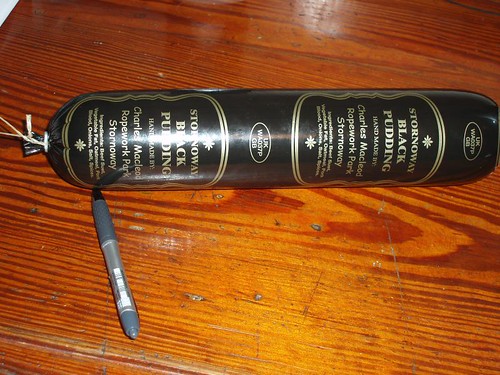
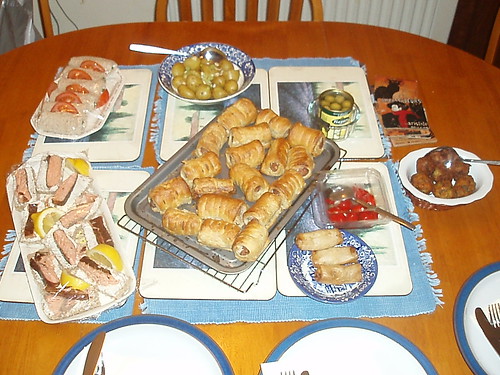
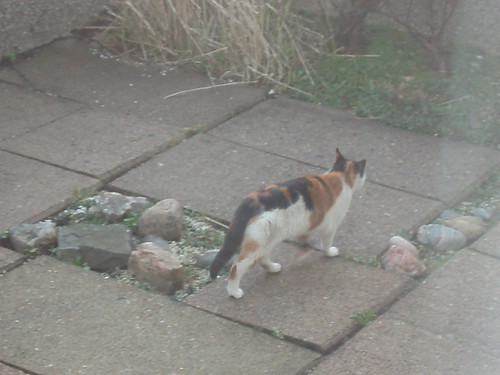
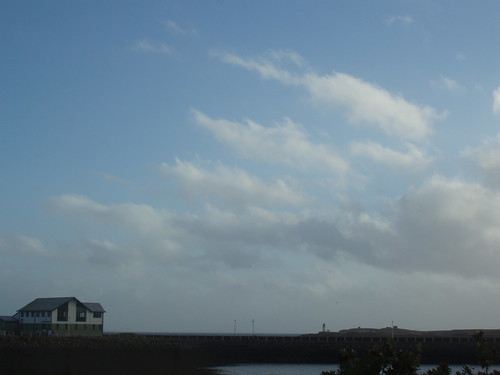
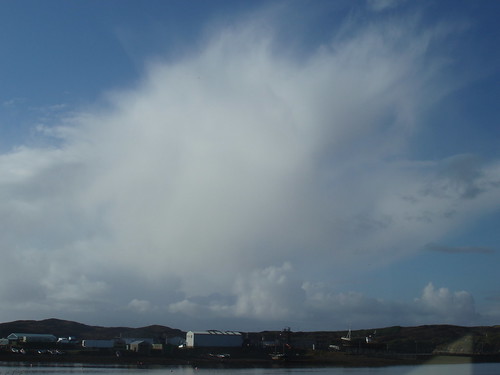
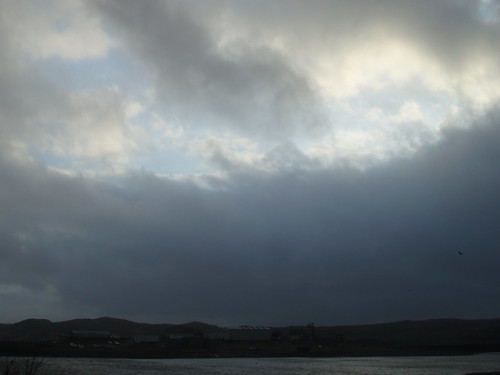
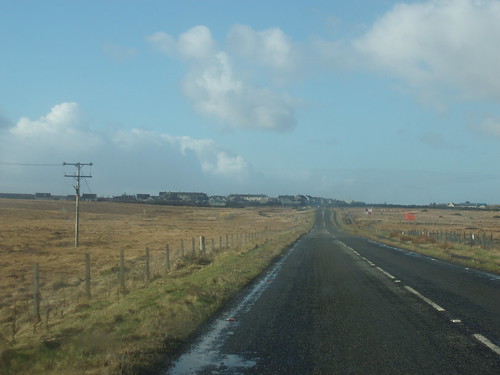
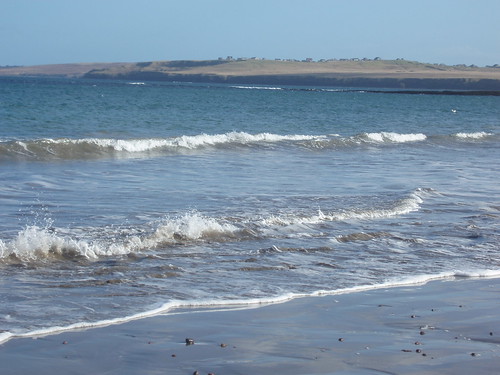
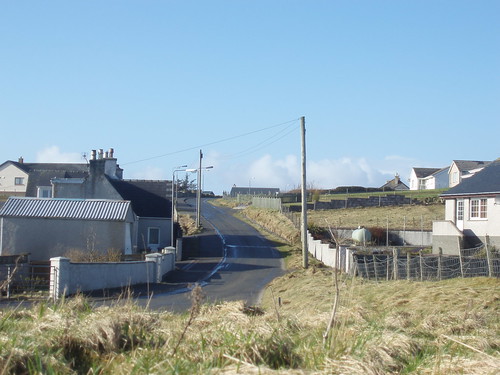
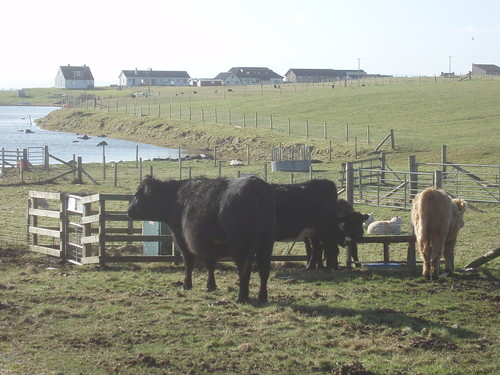
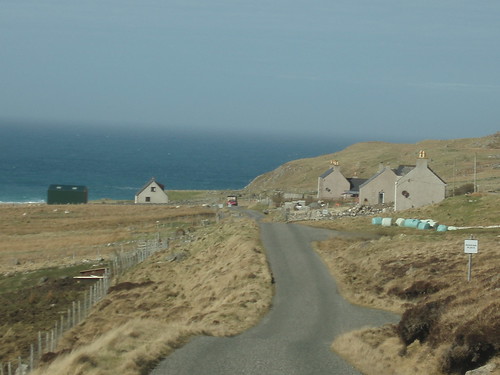
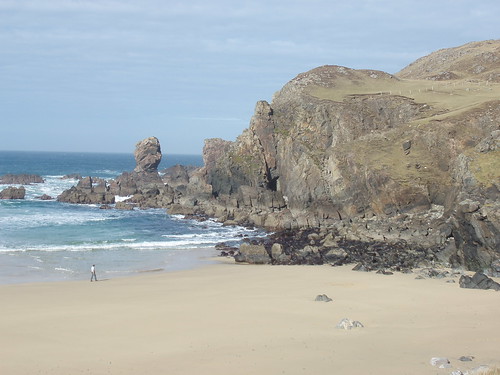
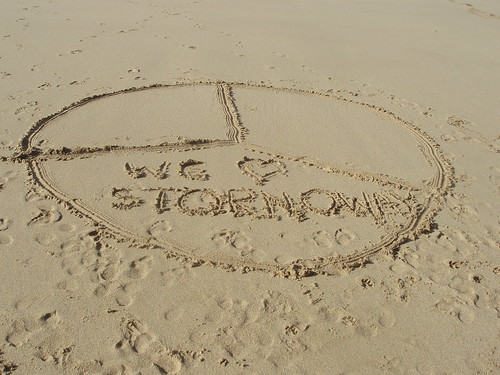
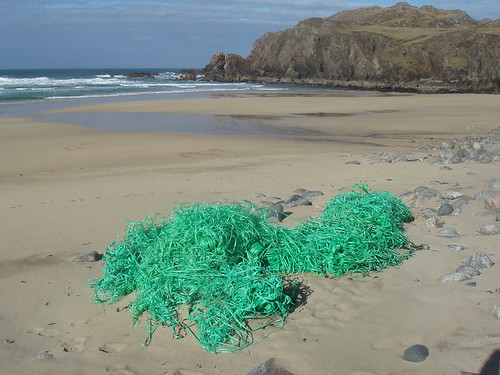
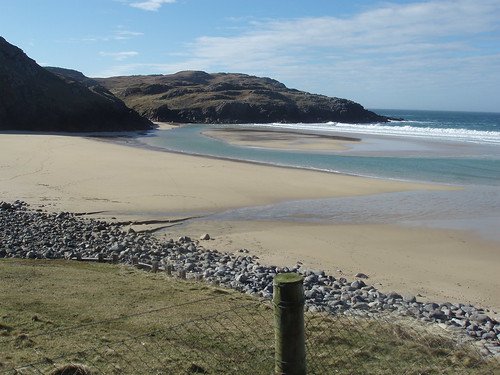
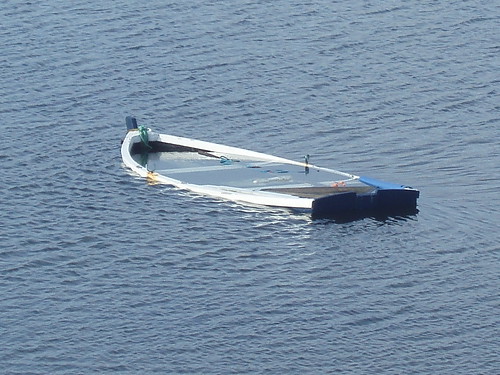
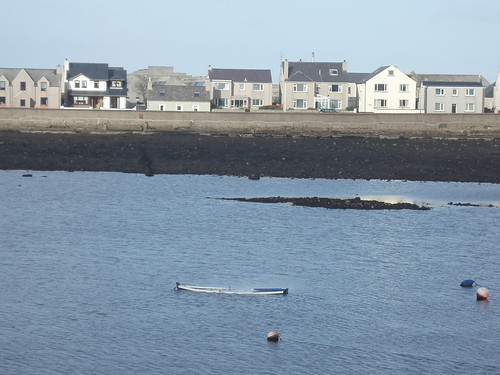
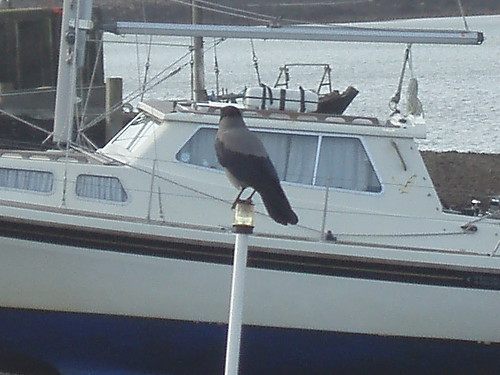
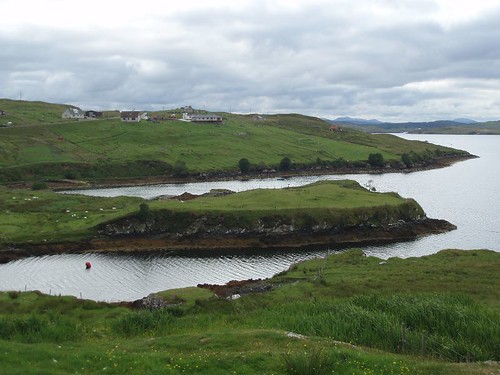
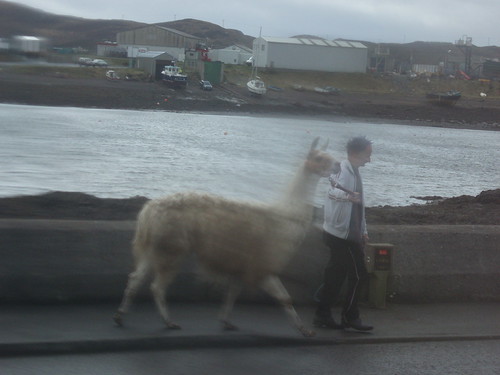
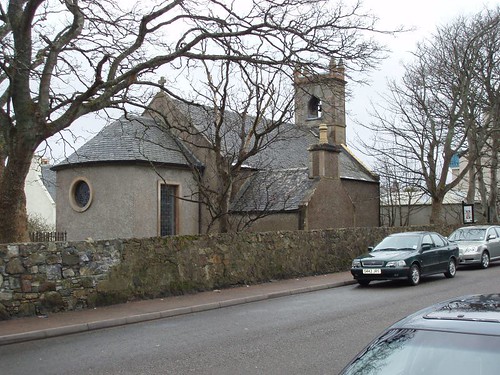
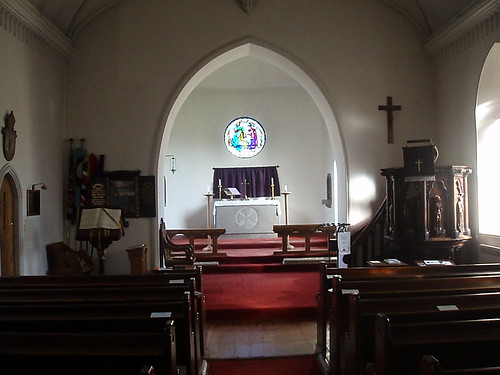
Anyway, here are some of the pics from that little foray.


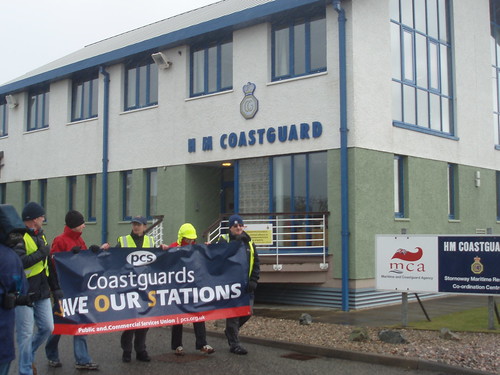
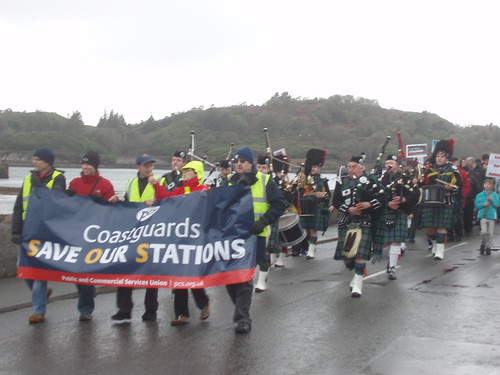
Sarah Newton (Truro and Falmouth): From his visits to Cornwall, the Prime Minister will appreciate the high regard for the coastguard service there and around the UK. I am reassured that the Under-Secretary of State for Transport, my hon. Friend the Member for Hemel Hempstead (Mike Penning), has said that the current modernisation proposals are not a done deal. Does the Prime Minister agree that it is very important to get the plans right?
The Prime Minister: I absolutely agree with my hon. Friend. She is a Cornish MP, and I am sure that she and the whole of the House would want me to say how much we feel for our colleague, my hon. Friend the Member for South East Cornwall (Sheryll Murray), who lost her husband in a tragic fishing accident. That demonstrates the extraordinary risks that people in coastal communities take, and our hearts should go out to her and her family.
We want to make changes only if they improve the coastguard support that people in fishing communities and elsewhere get. That is what the reform is about: trying to ensure that the real impetus is on the front line. If that is not the case, we will obviously have to reconsider the reforms, and that is why they are being reviewed. What I would say to everyone who cares about this issue is: work with us to make sure we get the maximum amount in those lifeboats and other ways of helping our fishing and other communities.



When you vote in a general election you will order your candidates in order of preference. Once the votes are counted, the candidate with the least number of votes is removed from the running, the votes are then counted again and all the voting slips that had the now excluded candidate as number one choice will have their second choice counted, and so an ad nauseum until, until at last somebody gets 50%.If you really want to see proportional representation in action (which the above is not), I'd like to refer to the Dutch voting system. In Holland, there are 150 seats in the Lower House of Parliament, and about 10 million people eligible to vote for those. Which means that each seat roughly equates to 65,000 votes - this is referred to as the Electoral Divider. There are about 20 parties contesting each ballot, of which 10 gain at least 1 seat. A party that gets less than the Divider does not gain any seat at all. First of all, the number of votes for each party is divided by the Divider, which yields the first lot of seats. Any remaining votes (rest votes) will then be distributed according to a set of rules, determined (among others) by the preferential votes for any one candidate, if more than a quarter of the Divider. A tad complicated, but at least you are not in the position that your vote is wasted if you don't vote for a winning candidate.
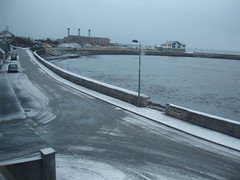 A very cold start to the day, with snow on the ground. This readily melted after the sun came up, but on higher ground it will have stayed all day. Heavy snow and hail showers punctuated late morning and afternoon, almost putting us back into winter. However, the seeds in the bird feeders were sprouting enthusiastically, showing that the equinox is only a matter of days away. High winds will affect the southern isles overnight; we further north should avoid the worst of those stormforce winds. The overnight freight ferry Muirneag is not sailing at any rate.